
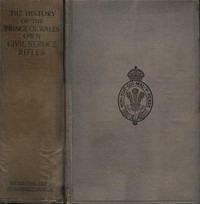
The History of the Prince of Wales' Civil Service Rifles by Anonymous
Let's be clear from the start: this is not a novel. You won't find a sweeping plot or a cast of fictional heroes. 'The History of the Prince of Wales' Civil Service Rifles' is exactly what it says on the tin—a regimental history. Published in 1877, it chronicles the first few decades of a unique British volunteer corps formed in 1859, made up of civil servants from London's government offices. Think accountants, clerks, and postal workers who spent their weekends learning to be soldiers.
The Story
The book walks us through the regiment's birth, its early growing pains, and its development. It lists commanding officers, details changes in uniform and drill, and records its movements and annual training camps. There are accounts of rifle competitions and parades. The "conflict" here isn't a battle against a foreign enemy, but the constant, often humorous, struggle to turn desk-bound civil servants into a disciplined fighting unit. The narrative is packed with the internal politics and petty dramas that any large organization, especially a volunteer one, would have.
Why You Should Read It
Here’s the thing that hooked me: the voice. Despite the dry subject matter, the anonymous author has a distinct personality that bleeds through. There's a dry wit in how they describe bureaucratic hurdles and personality clashes. You get the strong sense this was written by an insider—someone who cared deeply about the regiment's reputation and legacy, but who also saw the absurdity in it all. Reading between the lines of muster rolls and meeting minutes, you piece together a vivid picture of Victorian middle-class life, masculinity, and civic duty. It’s social history disguised as a military manual. The central mystery of the author's identity adds a layer of intrigue that makes you pay closer attention to every opinionated aside.
Final Verdict
This is a niche book, but a rewarding one. It's perfect for history buffs who enjoy primary sources and want to see the Victorian era from a ground-level, institutional perspective. If you're fascinated by how ordinary people organize themselves, or if you love a good historical mystery (who *was* Anonymous?), you'll find this surprisingly engaging. It's not a page-turner in the traditional sense, but it’s a captivating window into a vanished world, left slightly ajar by a writer who chose to hide in plain sight.

George Davis
1 year agoI came across this while browsing and the storytelling feels authentic and emotionally grounded. Exceeded all my expectations.